Congratulations ...
You have taken the first step.
Learn more about potential debt solutions here, or speak to us for guidance on formal debt help, such as Trust Deeds, which can write off large portions of your unsecured debt.
Learn more about potential debt solutions here, or speak to us for guidance on formal debt help, such as Trust Deeds, which can write off large portions of your unsecured debt.

We offer many solutions for your debt, including...
We have solutions and options for every debt problem. Once we collate your data we will present you with a list of options. You choose what is correct for you and we will connect you with a case manager to process your case.
The Easiest Way To Regain Your Future
IVA: Individual Voluntary Arrangement
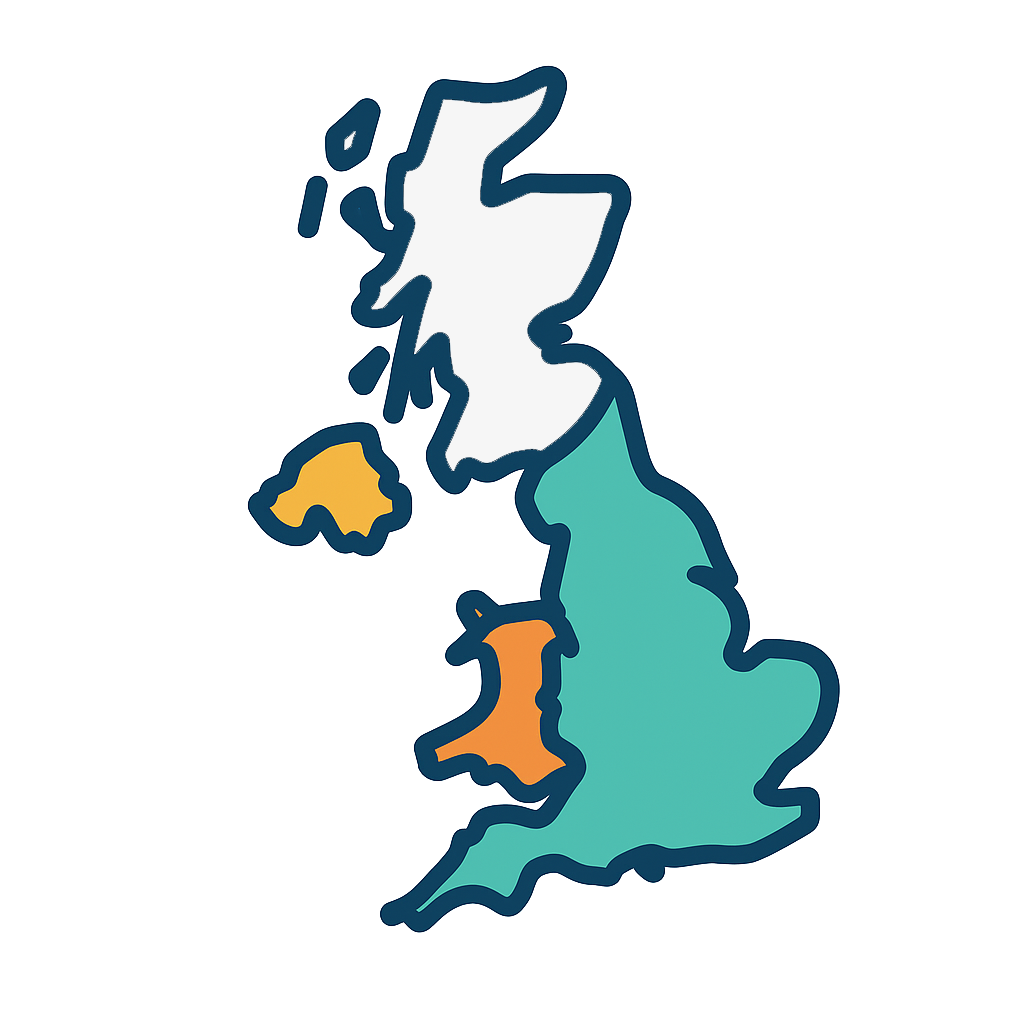
England, Wales & Northern Ireland
An Individual Voluntary Arrangement, or IVA, is a formal arrangement to make an affordable payment over a fixed period.
1. An IVA offers you legal protection from your included creditors.
2. An IVA usually has a fixed term of 60 months/ 5 years, and at the end of the arrangement, any outstanding balances on included debts will be written off.
3. The payment you make into an IVA is based on your Income and Expenditure so should always be affordable to you.
4. There are no upfront fees; fees are incorporated into your monthly IVA payments and vary between IVA companies.
5. Interest and charges on included debts will be frozen.
1. Any debts not bound by your IVA will remain outstanding and you are responsible for keeping up with their repayments.
2. Your credit file will be affected for a period of 6 years, starting when the IVA is approved. Your ability to obtain credit will be restricted for the period of the IVA.
3. An IVA can impact on certain jobs such as those in finance and the Civil Service – if you are unsure check your employment contract.
4. If you are a homeowner, you may be required to extend your IVA by a further 12 months.
5. Failure to keep up with IVA payments may result in your creditors filing for your bankruptcy.
6. Your details will appear on a public searchable record.
7. Your creditors may not agree to your IVA which may stop the arrangement from going ahead.
8. Your expenditure will be restricted.
Bankruptcy
England, Wales & Northern Ireland
Bankruptcy is a formal debt solution for those who have an amount of debt which they cannot repay. In a bankruptcy, most debt types are written off.
1. You can be discharged after 12 months
2. Once your bankruptcy is discharged, all included debts are written off
3. You can pay the fee online in instalments and your bankruptcy application will begin once your fee has been paid in full
4. Bankruptcy will prevent your included creditors from taking or continuing with any legal action
5. All interest and charges on included debts will be frozen
1. There are certain debts that cannot be included in a bankruptcy, such as student loans, CSA arrears and court fines
2. Bankruptcy costs £680 per person
3. Bankruptcy will adversely affect your credit rating and your ability to gain credit will be limited. The bankruptcy will remain on your credit file for 6 years
4. Once you are declared bankrupt, an Official Receiver or Trustee will take control of your estate which could result in any assets being sold
5. If you can afford to make a payment, you will be asked to do so for up to 3 years
Debt Management Plan
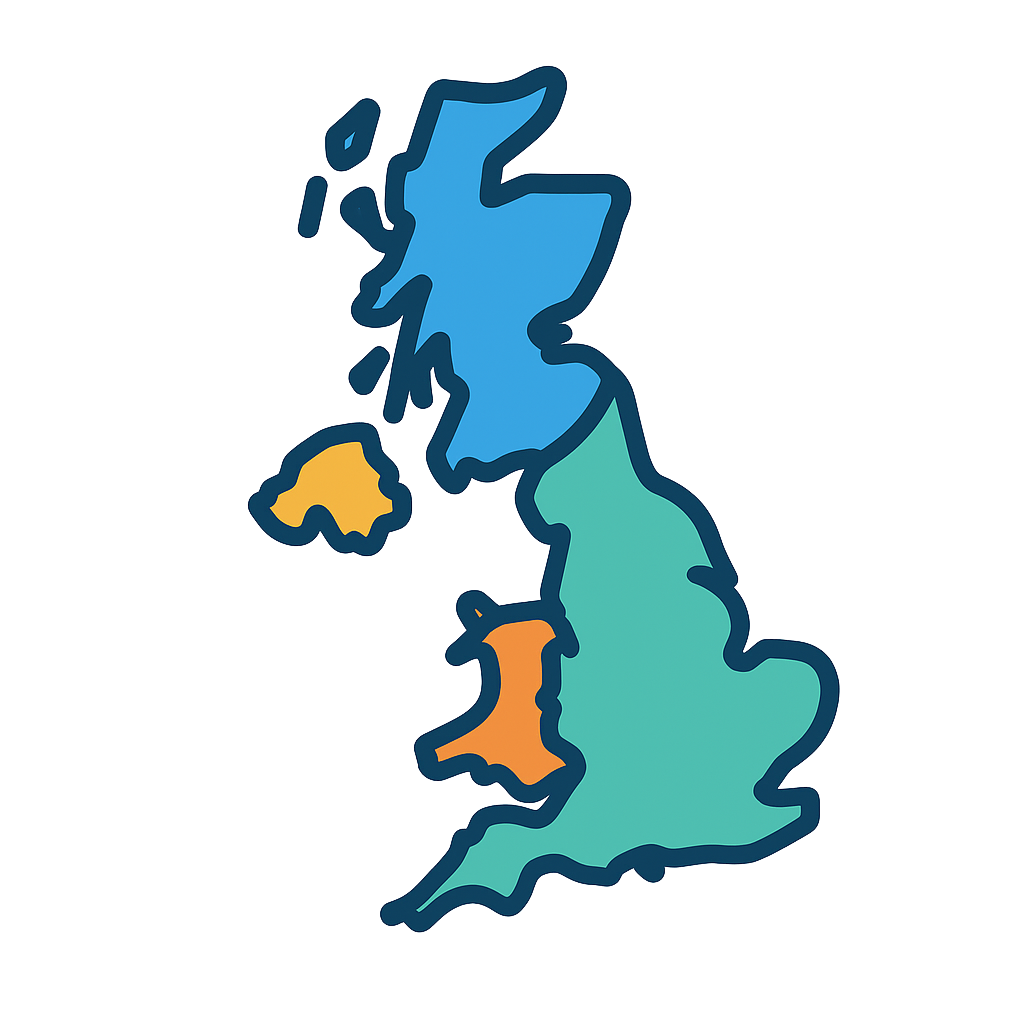
Scotland, England, Wales & Northern Ireland
A Debt Management Plan, or DMP, is an informal agreement between you and your unsecured creditors to pay back non-priority debts, reducing your monthly debt payments to a single affordable amount each month.
1. A Debt Management Plan, or DMP, is an informal agreement to pay one affordable regular payment which – if you have a fee-free DMP – is shared amongst your creditors, or if you have a fee-bearing DMP, is shared amongst your creditors AFTER your management fee has been taken.
2. Interest and charges on included debts may be frozen.
3. It can slow down creditor contact.
4. Debt Management Plans are flexible, informal solutions and are not legally binding, so you can leave the plan at any time, for example if your financial situation improves.
5. Your Debt Management Plan provider will deal with your creditors on your behalf.
1. There are fee-free DMPs available, however if you choose a fee-charging DMP company, you will usually be charged for their services monthly within your usual DMP payment. Fees vary between DMP companies.
2. Interest and charges are not guaranteed to be frozen.
3. Creditors can still contact you about payments and may refuse to co-operate.
4. A DMP may adversely affect your credit rating for 6 years and your ability to obtain credit may be limited.
5. Your debts will still have to be paid in full. Reducing monthly payments to a level you can afford will generally increase the term of your debts.
Debt Relief Order
England, Wales & Northern Ireland
A Debt Relief Order is a way to have unmanageable debt written off if you have relatively low income and few assets.
1. A Debt Relief Order is a formal solution so creditors cannot chase for payments.
2. All debts in a DRO are cleared after one year.
3. During the 12 months the DRO is in place, you will not be required to make any payments towards the included debts.
4. Interest and charges relating to debts including in the DRO will be frozen for the 12 months the DRO is active.
1. A Debt Relief Order will affect your credit rating and, your ability to gain credit will be limited and the DRO will remain on your credit file for 6 years.
2. A Debt Relief Order can impact on certain jobs.
3. If your circumstances improve during the 12 months, the debts could be reverted back to the customer.
4. You cannot have more than £2000 worth of assets.
5. It is a criminal offence to falsify information on a DRO.
PTD: Protected Trust Deed
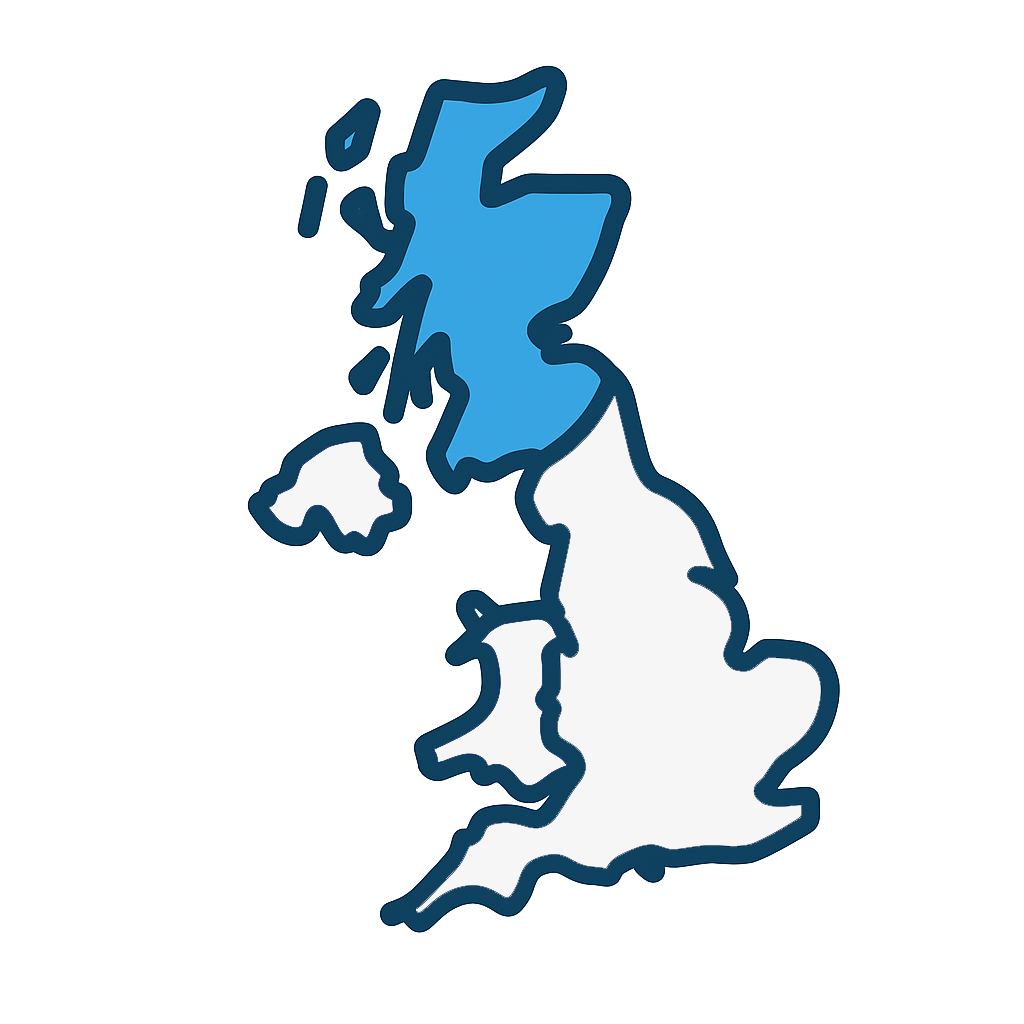
Scotland only
A PTD is a formal solution available in Scotland for individuals who owe more than £5000. It is a legally binding agreement between you and your creditors that allows you to repay what you can afford, and the remainder of your debt is written off once the agreement is completed.
1. You pay single monthly payments based on what you can afford.
2. Interest and any additional charges on your debts are stopped once your PTD is accepted.
3. A PTD includes most non-priority or unsecured debts such as personal loans, credit card debt, and some student loans and fines (note that student loans may not always be included, depending on the specific circumstances).
4. Once your final payment is made, the remaining debts is written off.
1. PTD is recorded on the public register of insolvencies for at least 5 years.
2. This will remain on your credit file for 6 years from the date PTD starts, affecting your credit rating and making it harder to obtain credit.
3. You may be asked to sell any assets valued over £1,000 to contribute to your debt repayment.
4. If you own property, you might need to release equity from it to pay towards your debts.
5. Items acquired through hire purchase agreements may be affected, and you might need to return these items or make arrangement for their repayment.
Sequestrian
Scotland only
Sequestration, commonly known as bankruptcy in Scotland, is a legal process that can help individuals who cannot repay their debts to write off most of the debts, giving them a fresh start.
1. Interest and other charges stop accruing once sequestration is granted.
2. Creditors and Debt collectors must cease their efforts to collect payments from you.
3. Most of your unsecured debts are usually written off.
4. You are generally protected from further court actions by creditors once sequestration is granted.
5. Professional trustees manage the sequestration process on your behalf, handling the administrative aspects.
6. Essential household goods are typically protected, allowing you to retain necessary items.
1. You may need to sell assets, including potentially valuable property, to repay creditors.
2. You might be required to make monthly payments for up to 4 years, depending on your financial situation.
3. Sequestration is recorded on the public register of insolvencies for at least 5 years.
4. This will remain on your credit file for 6 years from the date it starts.
5. It could impact your job, especially if you work in a role that requires financial responsibility or if your employment contract includes insolvency clauses.
6. You’ll face restrictions when borrowing money, both during and after the sequestration period.
7. It may be more difficult to secure a rental agreement, as landlord often check credit history and insolvency records.
DAS: Debt Arrangement Scheme
Scotland only
The DAS is a formal solution available in Scotland. It allows you to repay your debts in affordable monthly instalments based on your financial situation. During this period your creditors cannot take legal action against you.
1. You make one monthly payment to a DAS administrator, who distribute the funds to your creditors.
2. No administration fee will be charged, all payment go directly to your creditors.
3. Creditors included in the DAS must stop adding interest to your debts.
4. Your monthly debt payments are reduced to an affordable amount, which helps cover essential living costs.
5. You can keep your assets, including valuable items such as savings, vehicles and property.
1. You may take longer to repay your debts under a DAS compared to making regular contractual payments. The length of the repayment period depends on your financial situation.
2. While DAS helps manage debt, it will still affect your credit rating and be recorded on your credit file for up to 6 years, which can make obtaining credit more difficult.
3. You must meet specific criteria, including having a minimum level of debt and proving that you can make the agreed payments.
4. You are required to adhere to the terms of the DAS for its duration, failing to comply with the terms could result in the DAS being revoked and creditors taking legal actions.
MAP: Minimal Asset Process
Scotland only
MAP is a simplifies form of bankruptcy designed people with low income with minimal assets. It is a cost-effective and straightforward procedure aimed at providing financial relief to those who qualify.
1. You do not need to appear in court to apply for MAP bankruptcy.
2. There is no fee to apply for MAP.
3. This process is usually complete within 6 months, after which most of your unsecured debts will be legally written off.
4. Once this approved, your creditors cannot pursue you for payments or add further charges during this process.
5. Most unsecured debts are included in MAP bankruptcy.
1. Your credit rating will be affected for 6 years.
2. Your bank are likely to close or freeze your accounts, limiting you to a basic bank account during the MAP.
3. This can affect your job.
4. Some landlords may evict tenants or refuse to renew a tenancy agreement if they become aware of your MAP status.
5. Certain debts, such as student loans, child support, and court fines aren’t included in MAP and must be managed separately.
6. If you’re self-employed, obtaining credit for business purposes or services may become more challenging.
Self Help or Free Sector
Scotland, England, Wales & Northern Ireland
Dealing with your debts yourself by either using budgeting tools or contacting your creditors directly if needed. Consider free impartial and independent help from a debt charity or organisation such as the Money Advice Service.
1. You do not need to pay fees to a debt solution company.
2. You are in control of your debts and assets.
3. Budgeting, keeping a spending diary and keeping track of debt payment dates can be enough to keep debts on track if your debt difficulties are due to spending habits and lifestyle.
4. Self-help for your debts is unlikely to affect employment as other solutions may, as long as you keep up with your repayments.
5. Self-help for your debts is not a matter of public record, as with other solutions which appear in newspapers/on specific websites.
1. If you wish to negotiate lower monthly debt repayments, you will need to deal with your creditors yourself which some people may find difficult.
2. You may not be able to renegotiate your payments/reduce or stop interest and charges as a debt solutions company with more creditor experience may.
3. You will still need to pay all of your debts separately; most debt solutions combine these into one single monthly payment.
4. Managing your own debts can prove complicated and time consuming.
5. Failure to maintain contractual payment levels may affect your credit rating/score.
Equity Release (Homeowners)
Scotland, England, Wales & Northern Ireland
Releasing equity in your property, whether via a remortgage or secured loan, to pay off debt involves you replacing, or extending, your existing mortgage, or taking out a loan against your property in order to borrow money. You are then responsible for using the released funds to clear your debts.
1. Equity released from your home can be used to pay off your unsecured debts.
2. You may be able to remortgage with terms that are more suitable to your current situation. A remortgage monthly payment will usually be much less than the total of your existing debt and current mortgage monthly payments, taking away any difficulties with managing multiple regular debt payments.
3. Remortgaging may be at a lower interest rate than you have with your current mortgage.
4. Remortgaging to clear debts may be easier to manage, giving you one monthly payment to make rather than several covering individual debts and your mortgage.
5. The interest charge for a secured loan is typically lower than that applied to unsecured credit agreements.
1. When remortgaging, you may incur an early settlement charge (‘Early Redemption Charge’) as you will be paying off your current mortgage before the end of its term.
2. Your home is at risk if you do not keep up with your mortgage payments. You may end up paying more over time by moving unsecured debt amounts into your mortgage. Lower interest rates spread over a longer period of time may make monthly payments lower and easier to manage, but can result in you paying back much more than you would by keeping debts unsecured over a shorter term.
3. You may not have enough equity in your property to pay off all your debts.
4. Re mortgaging to pay off debt could affect you re mortgaging/moving to a new house in future. Mortgage rates may rise in future, and extending your mortgage now could lead to you being offered higher rates when re mortgaging/buying in future
5. Failure to maintain payments may affect your credit rating/score.